Summer 2026
Toward UNESCO World Heritage Listing
for “Asuka-Fujiwara”

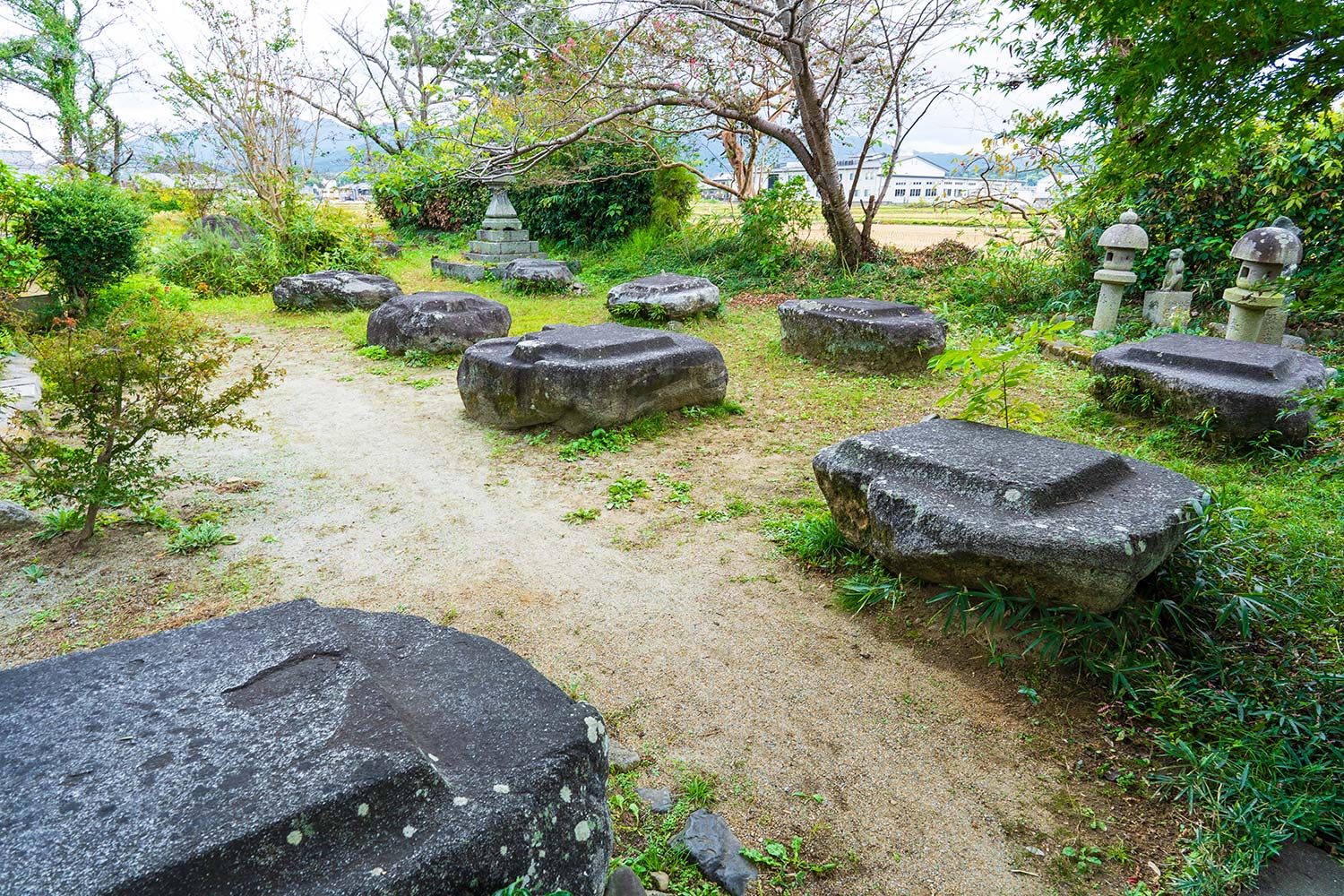
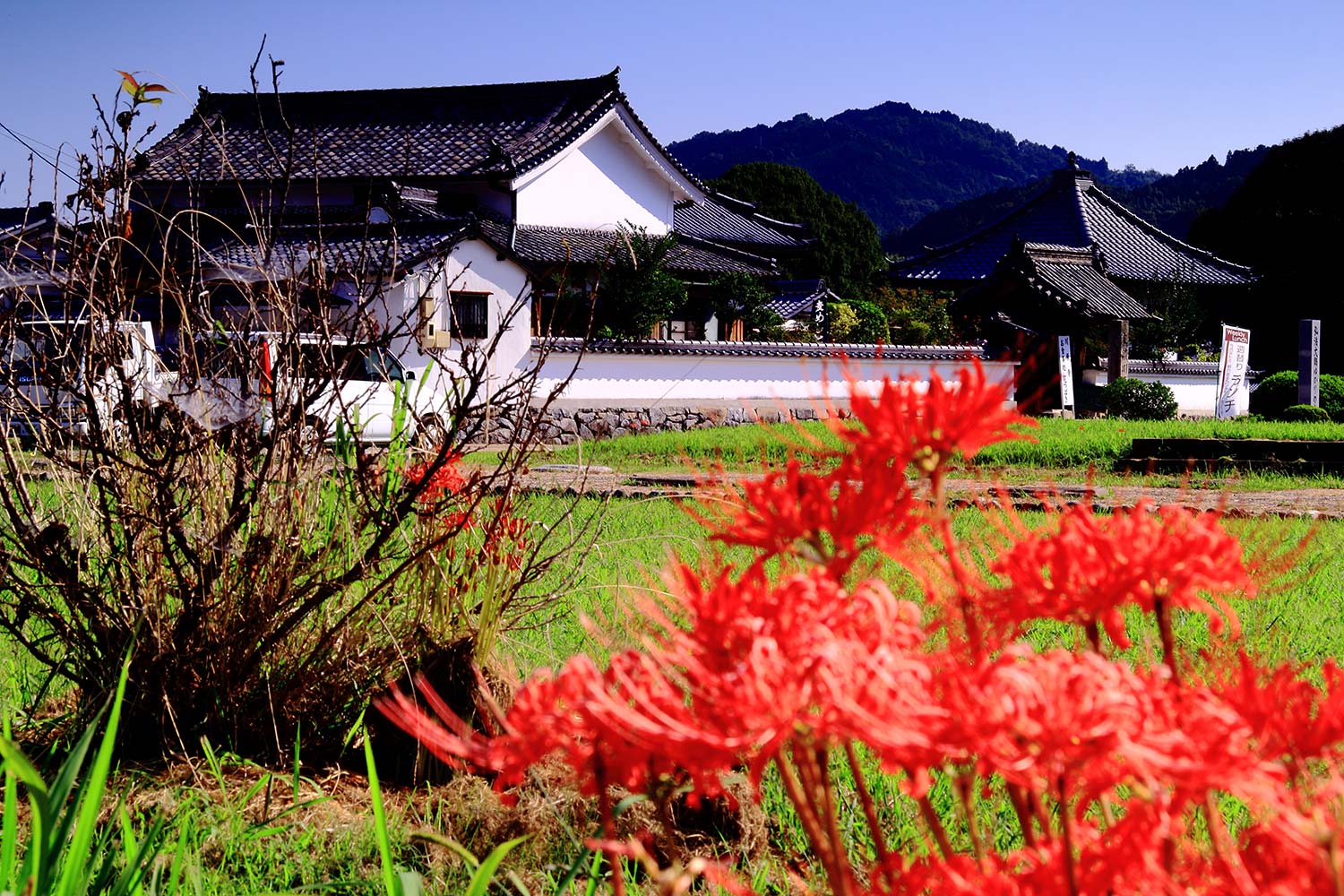
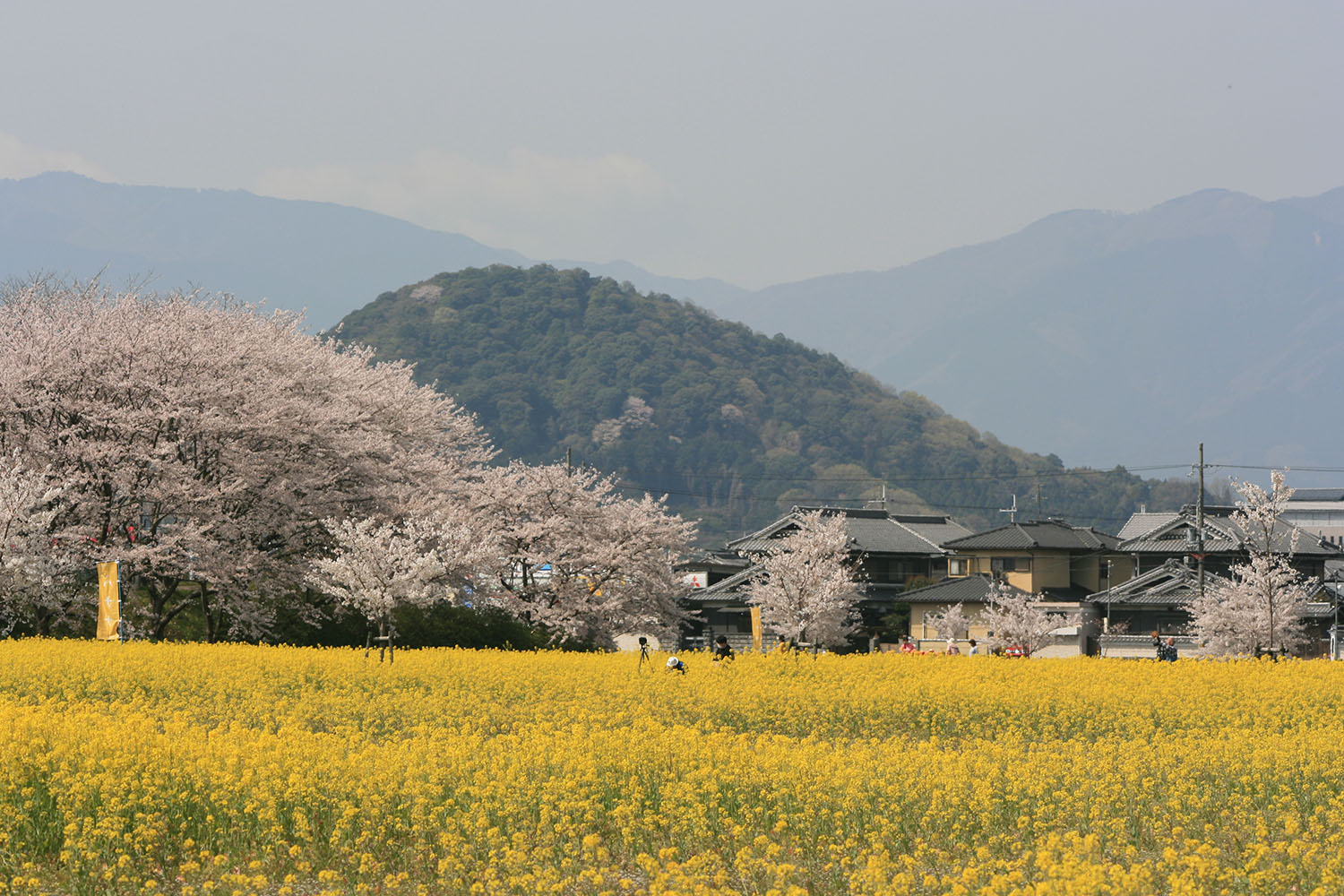
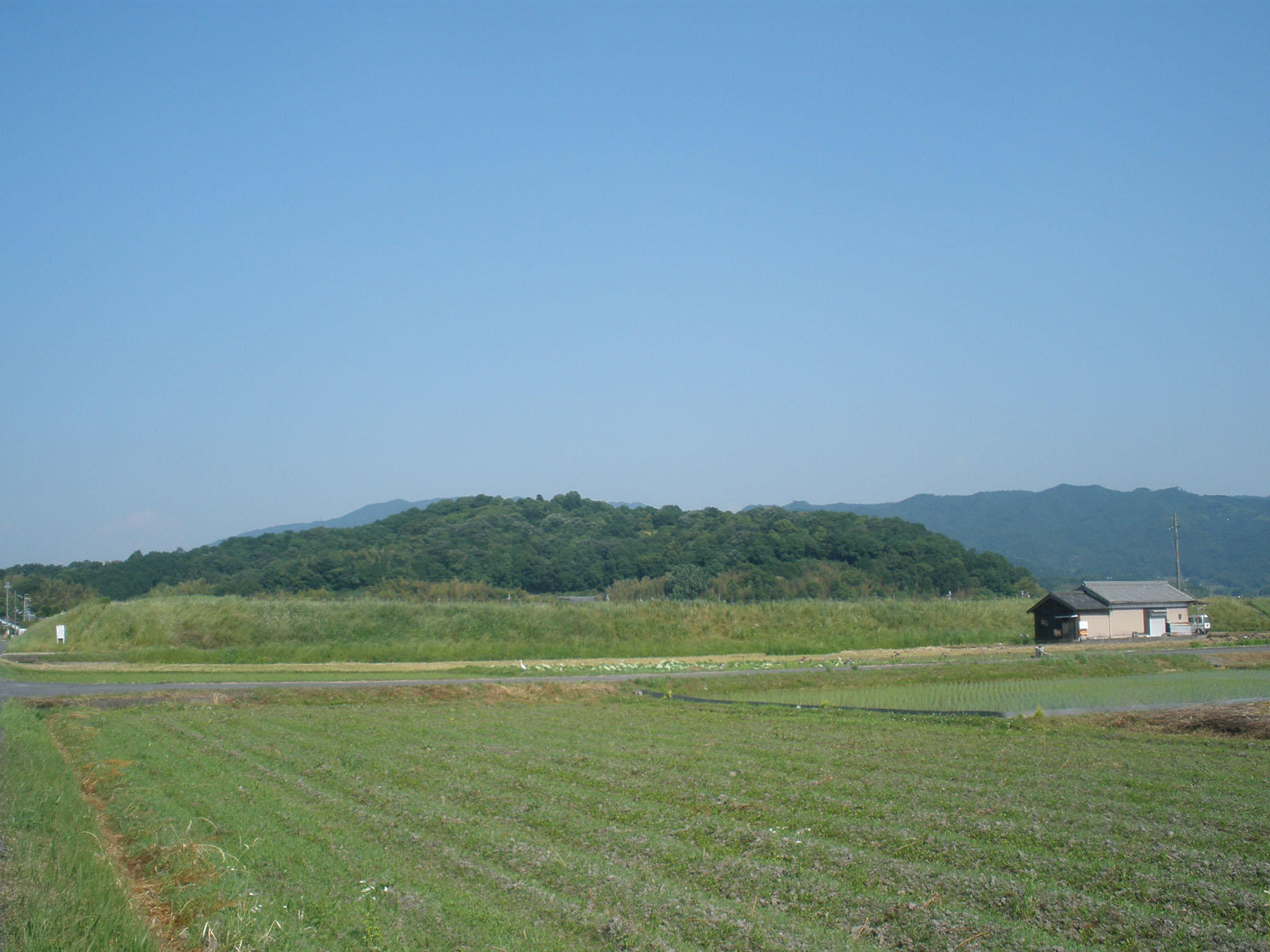
藤原宮跡
藤原宮跡 藤原宮跡
藤原宮跡 藤原宮跡 藤原宮跡

What is “Asuka-Fujiwara”?

This region, encompassing Kashihara, Asuka, and Sakurai, served as the monumental setting where the foundations of the Japanese state were first established approximately 1,300 to 1,400 years ago. It is a land that preserves the very origins of Japan’s national identity.

Three Reasons for the World Heritage Nomination

1.Where the Identity of "Japan" Took Shape

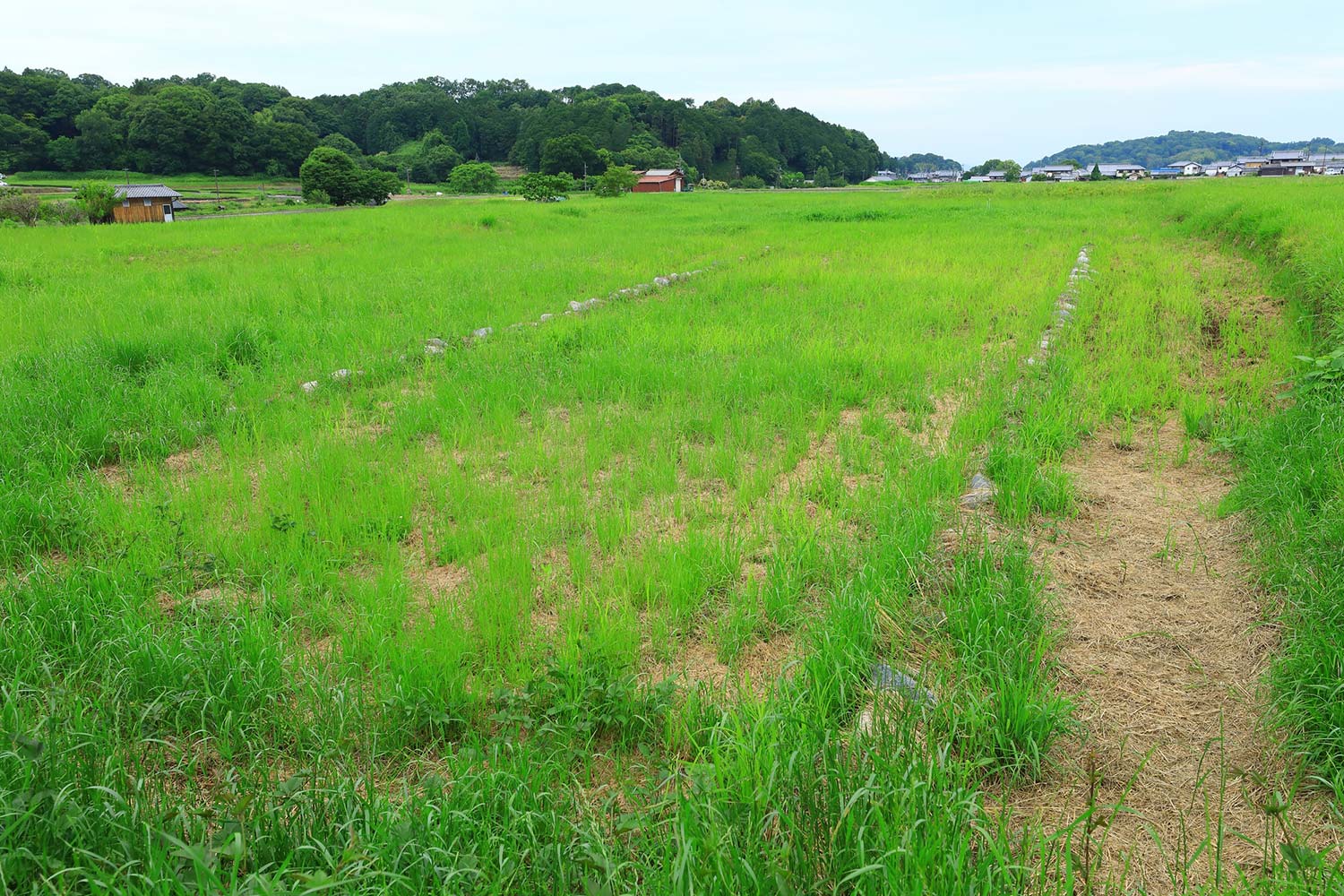
This monumental site marks the dawn of centralized governance under the Ritsuryo (legal codes) system. It is here that the name of the nation, "Nihon" (Japan), and the title of "Tenno" (Emperor) were officially established for the first time. The landscape vividly preserves the evolution of Fujiwara-kyo—Japan’s first authentic capital—a revolutionary urban center that seamlessly integrated the Imperial Palace with a sophisticated grid of city streets.

2.A Fusion of East Asian Influence and the Aesthetics of “Wa (the Spirit of Japan)”

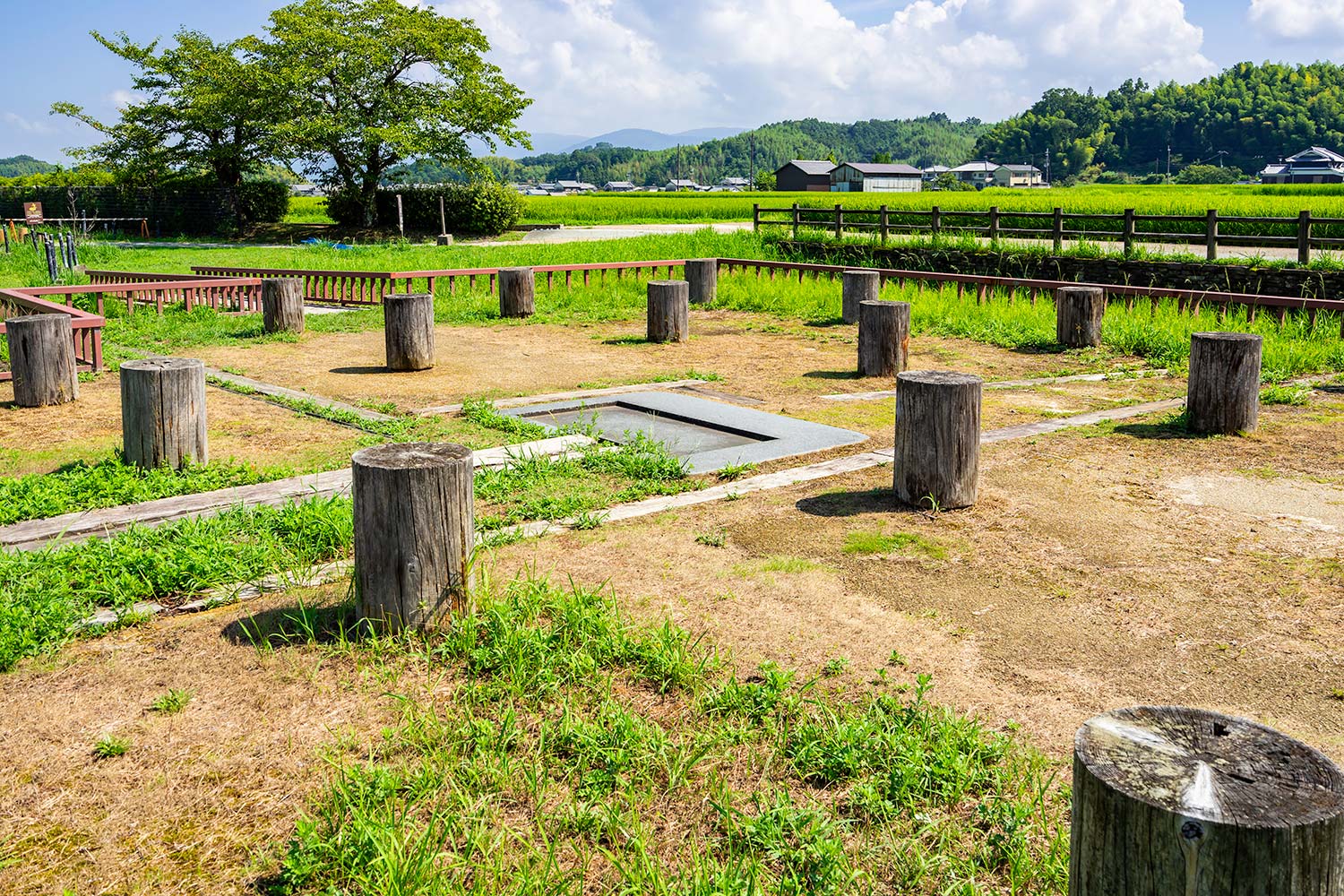
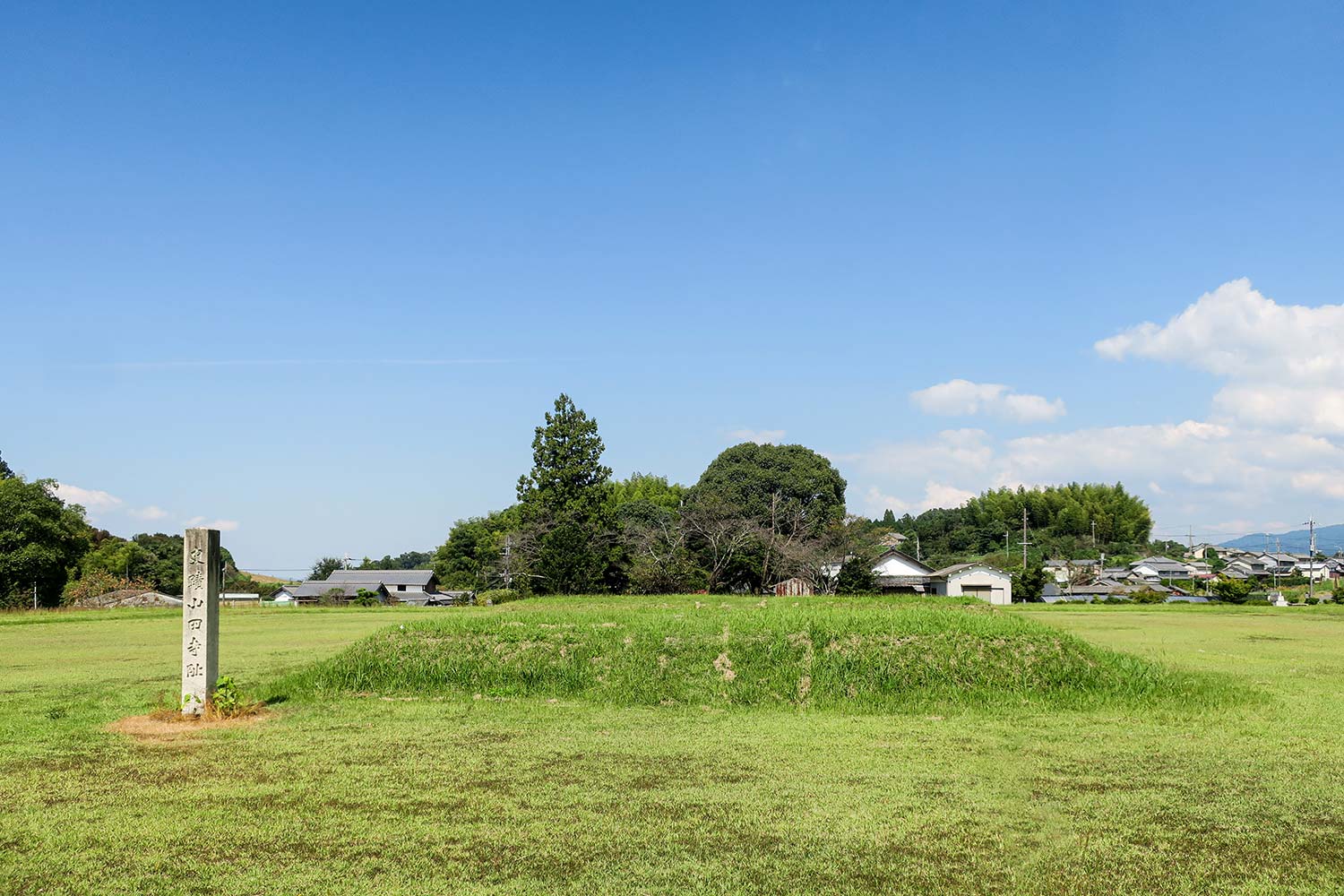
Through vibrant exchanges with mainland China and the Korean Peninsula, Japan introduced advanced technologies in Buddhist architecture and urban planning. These influences were thoughtfully adapted to the local landscape and climate, eventually evolving into a unique Japanese cultural and political identity. The ruins of palaces and temples remain today as a “testament to transformation,” showcasing the birth of a distinctly Japanese civilization.

3.From Tumuli to Temples: A Dynamic Shift in Spirituality

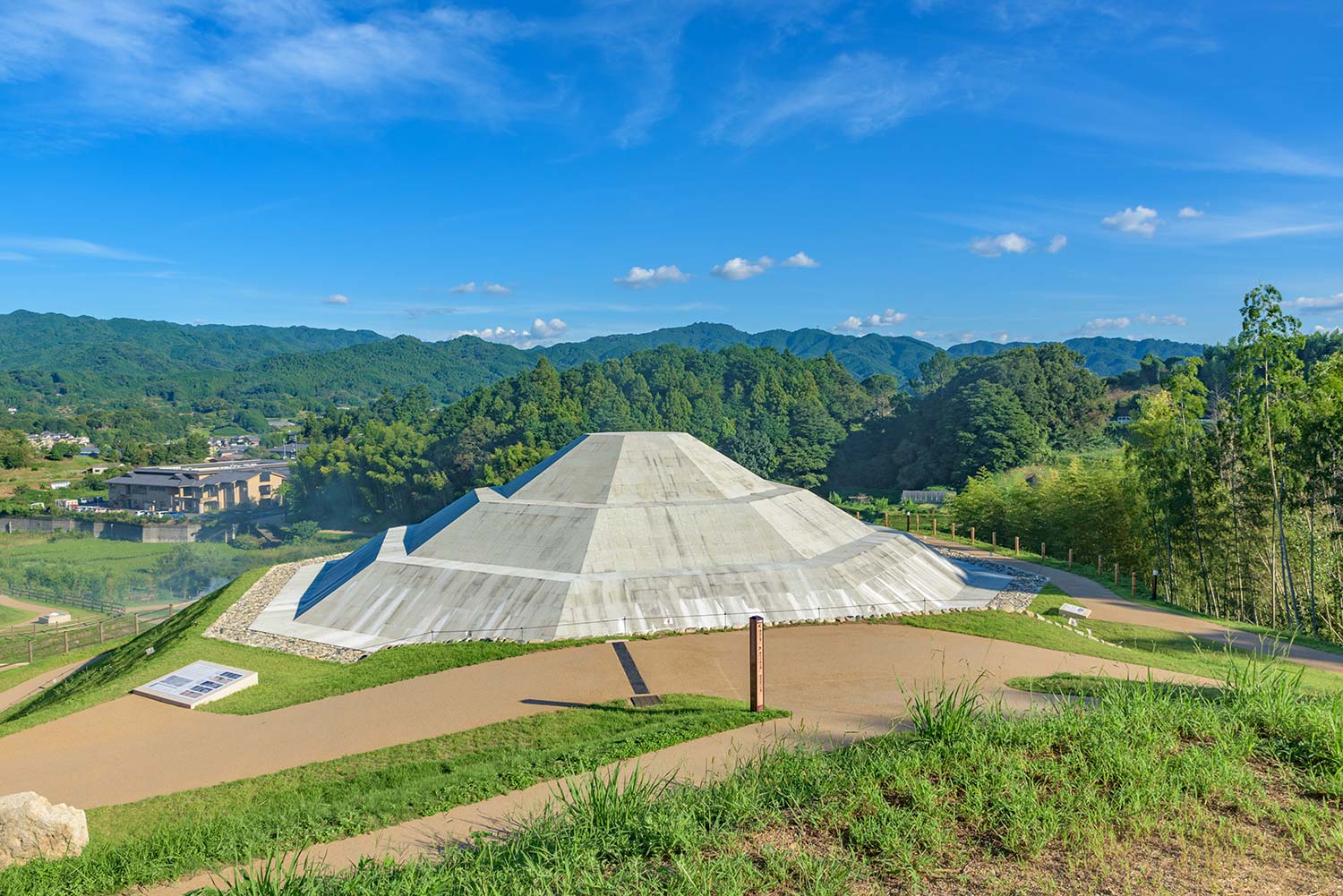
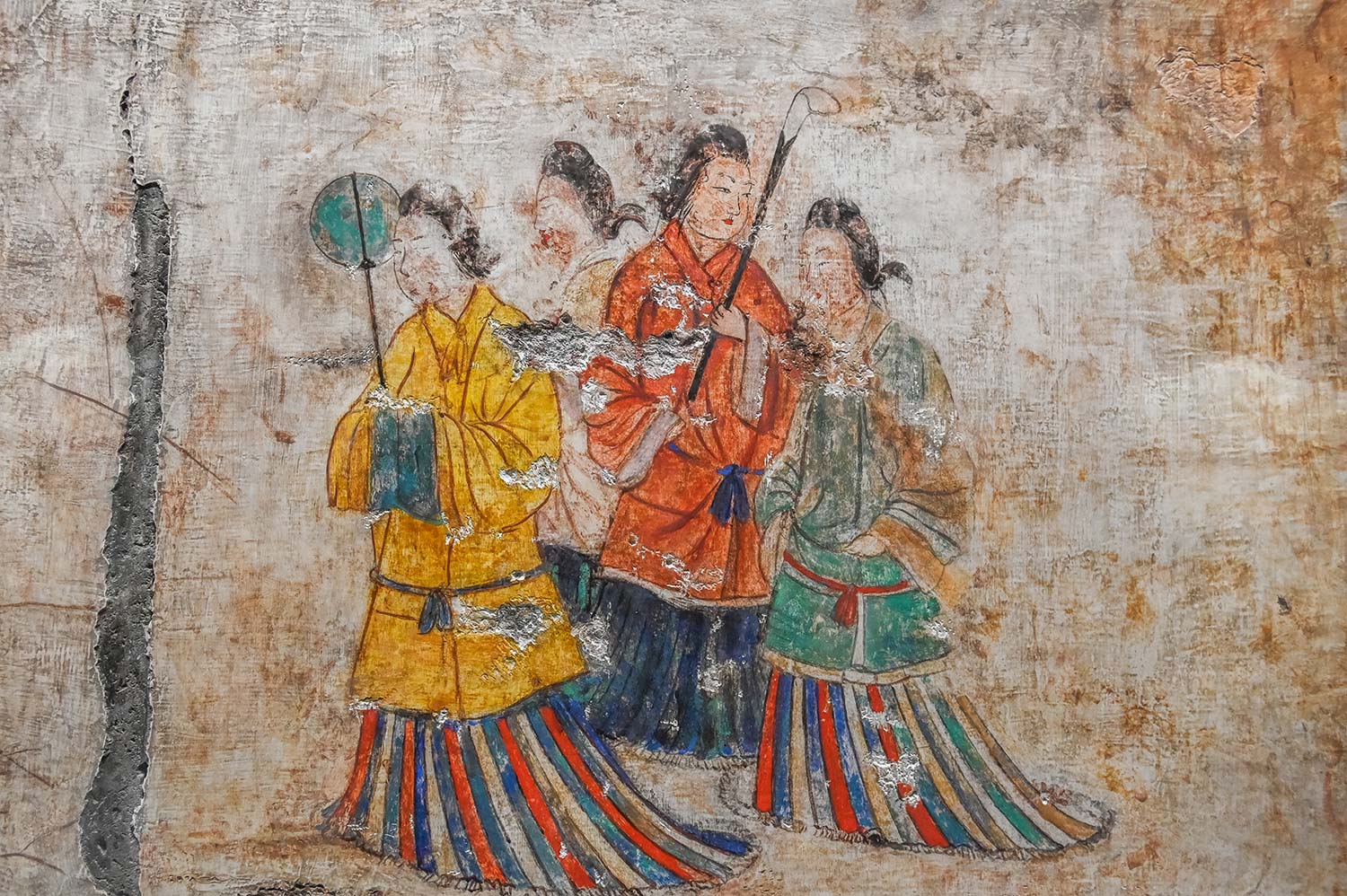
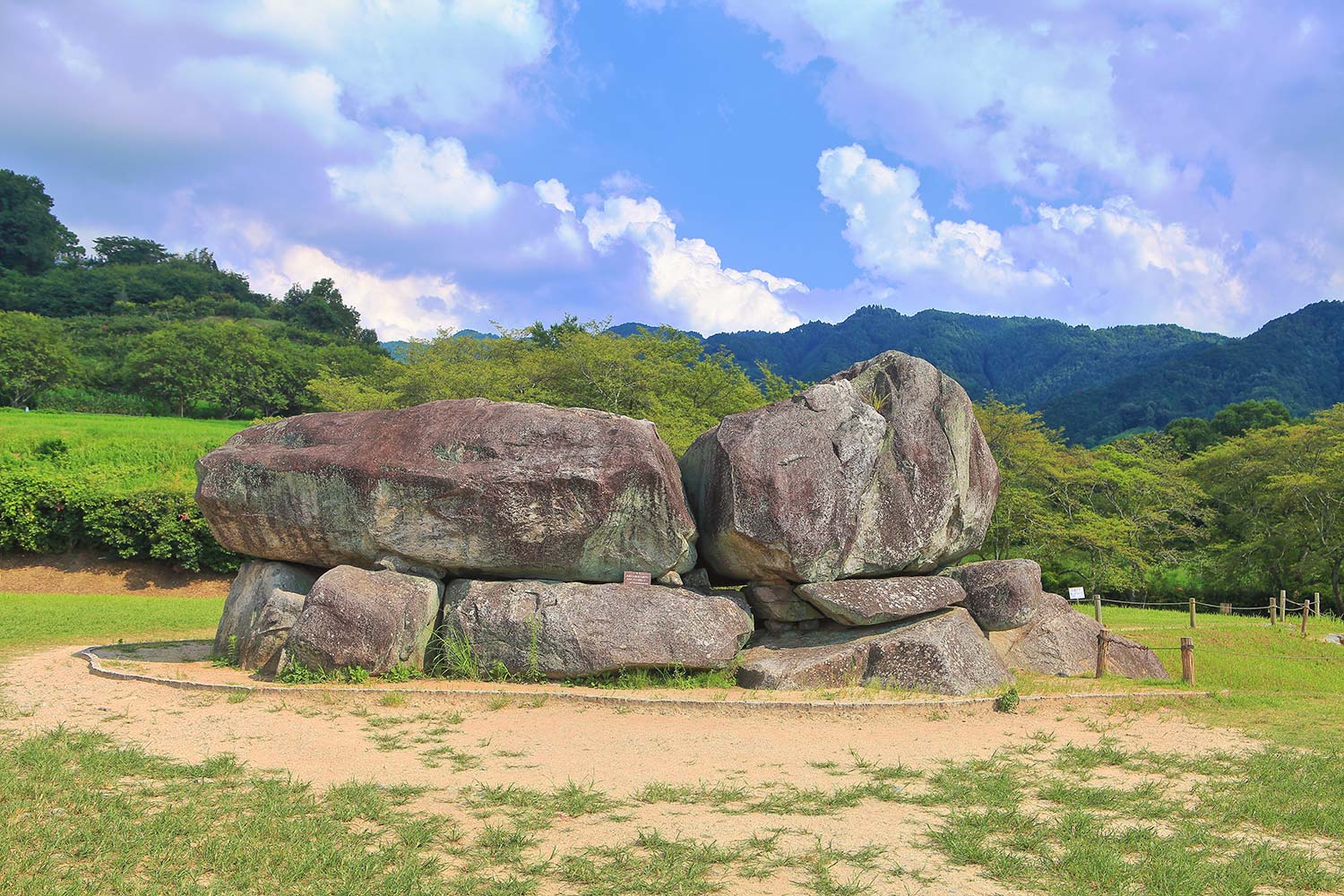
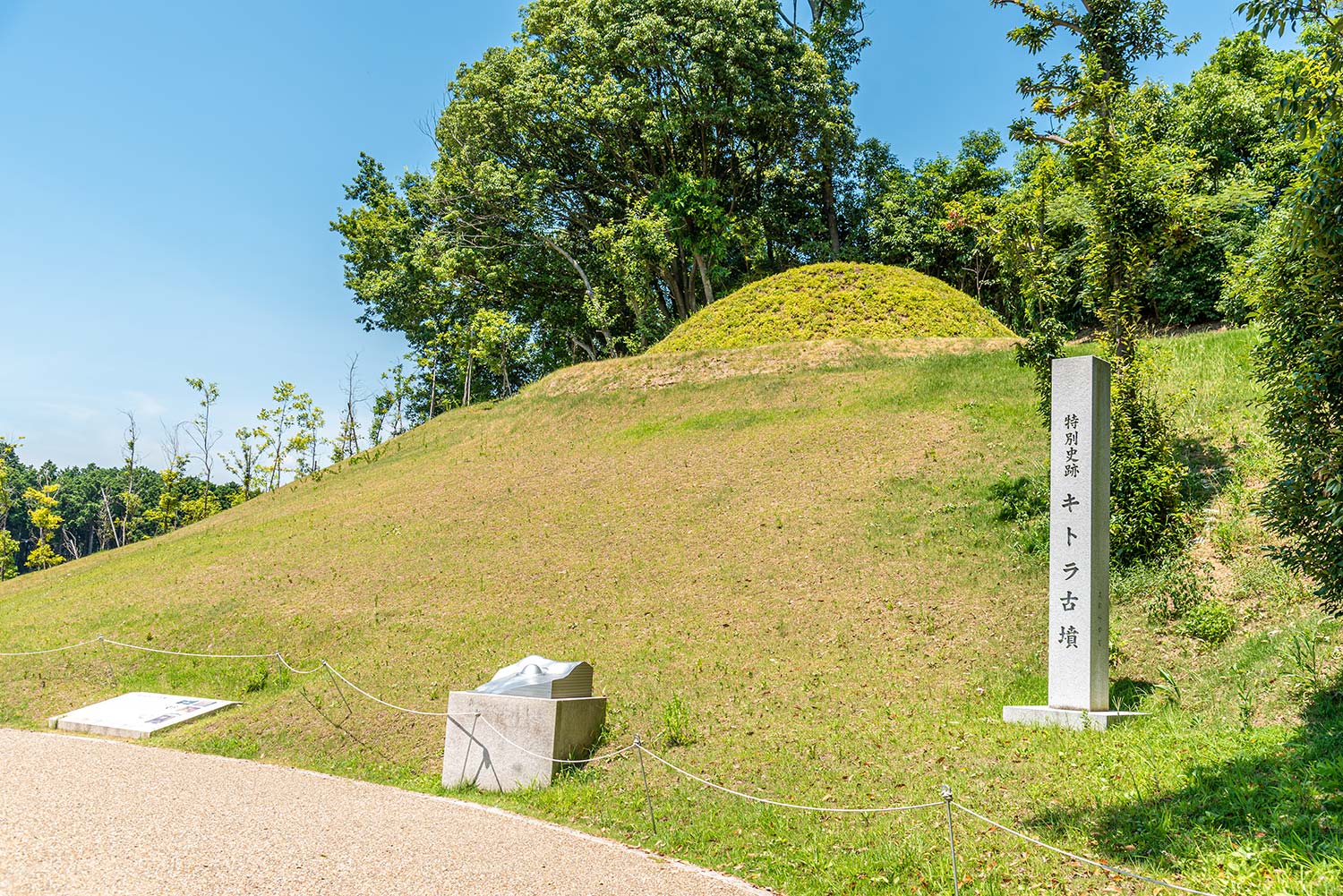
This region offers a unique window into a profound era of transformation. From the monumental Ishibutai Tumulus to the vivid murals of the Takamatsuzuka and Kitora tombs, and finally to Asuka-dera—Japan’s first authentic Buddhist temple—these sites form a world-class heritage. Together, they narrate the dramatic evolution of social values as indigenous ancestor worship paved the way for the embrace of Buddhist faith.

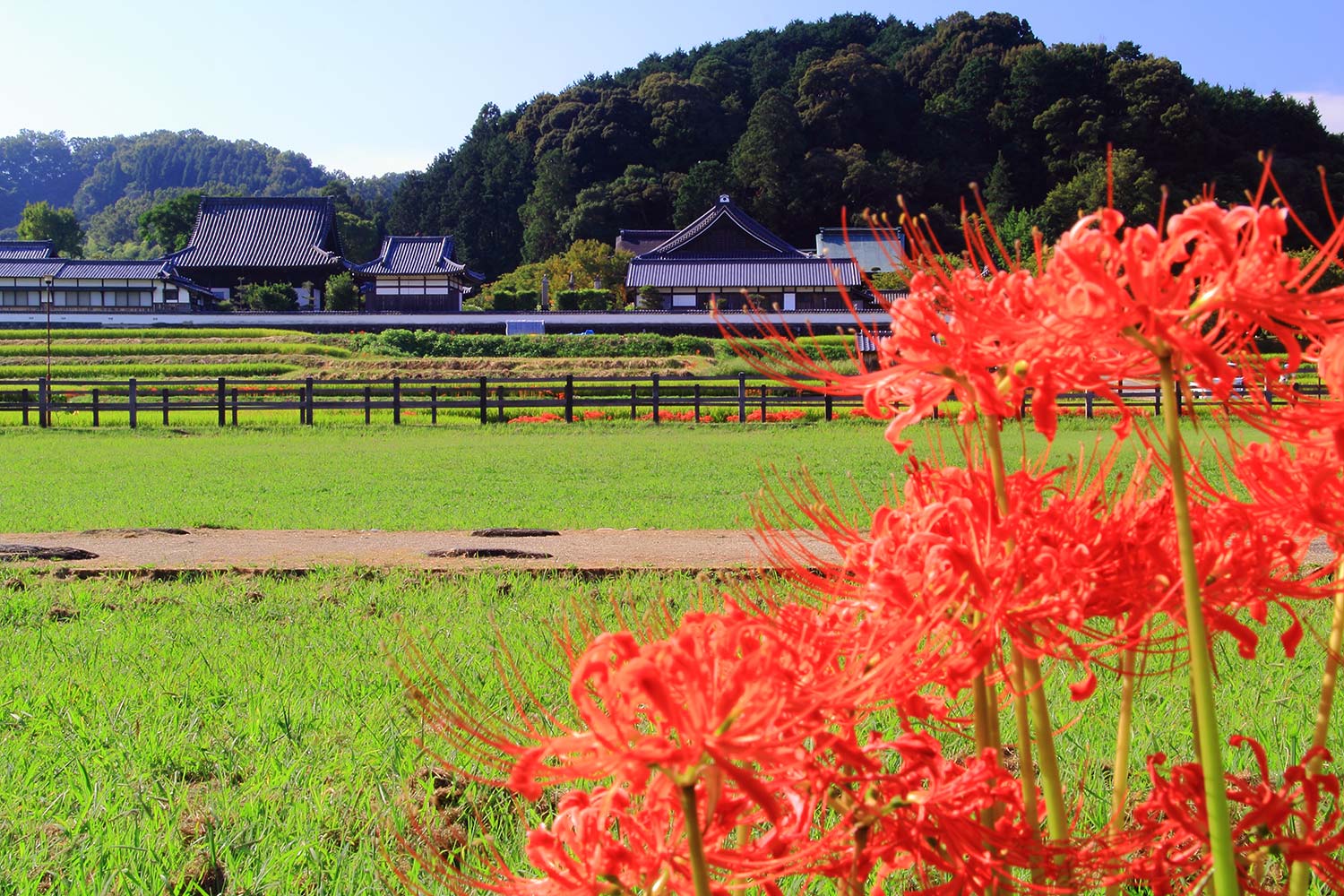
In Asuka-Fujiwara, the remnants of ancient palaces and burial mounds live on amidst a tranquil, pastoral landscape. Here is the place that Japan’s ancestral roots vividly re-emerge—a site of profound universal value that deserves to be shared with the world.

世界遺産 世界遺産 世界遺産

Story.11.World Heritage "Asuka-Fujiwara": Kashihara Sites Tour

World Heritage "Asuka-Fujiwara": Kashihara Sites Tour~Journey through the Primordial Landscape of Japan’s Birth: Tracing the Splendor and Spiritual Legacy of Fujiwara-kyo ~

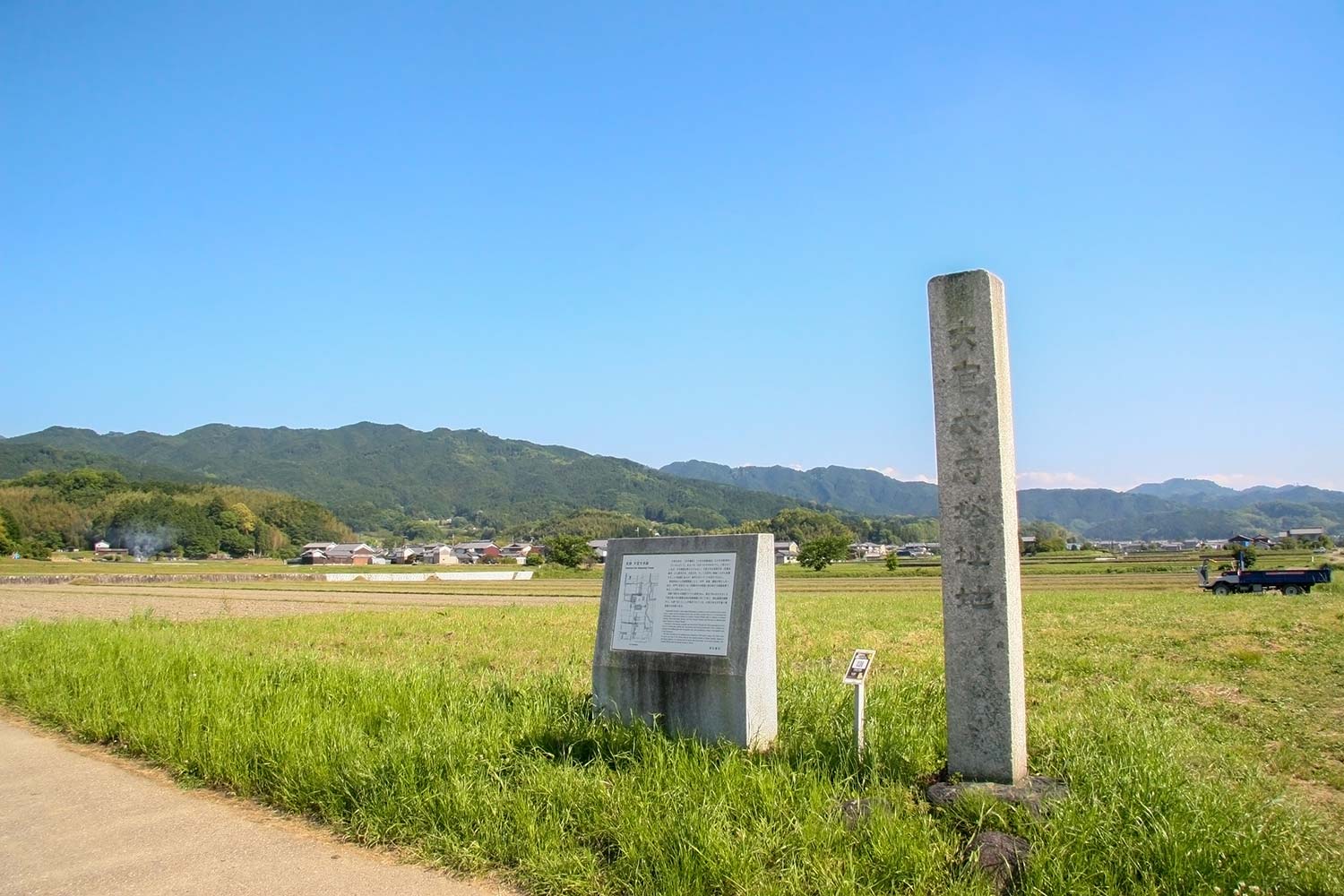
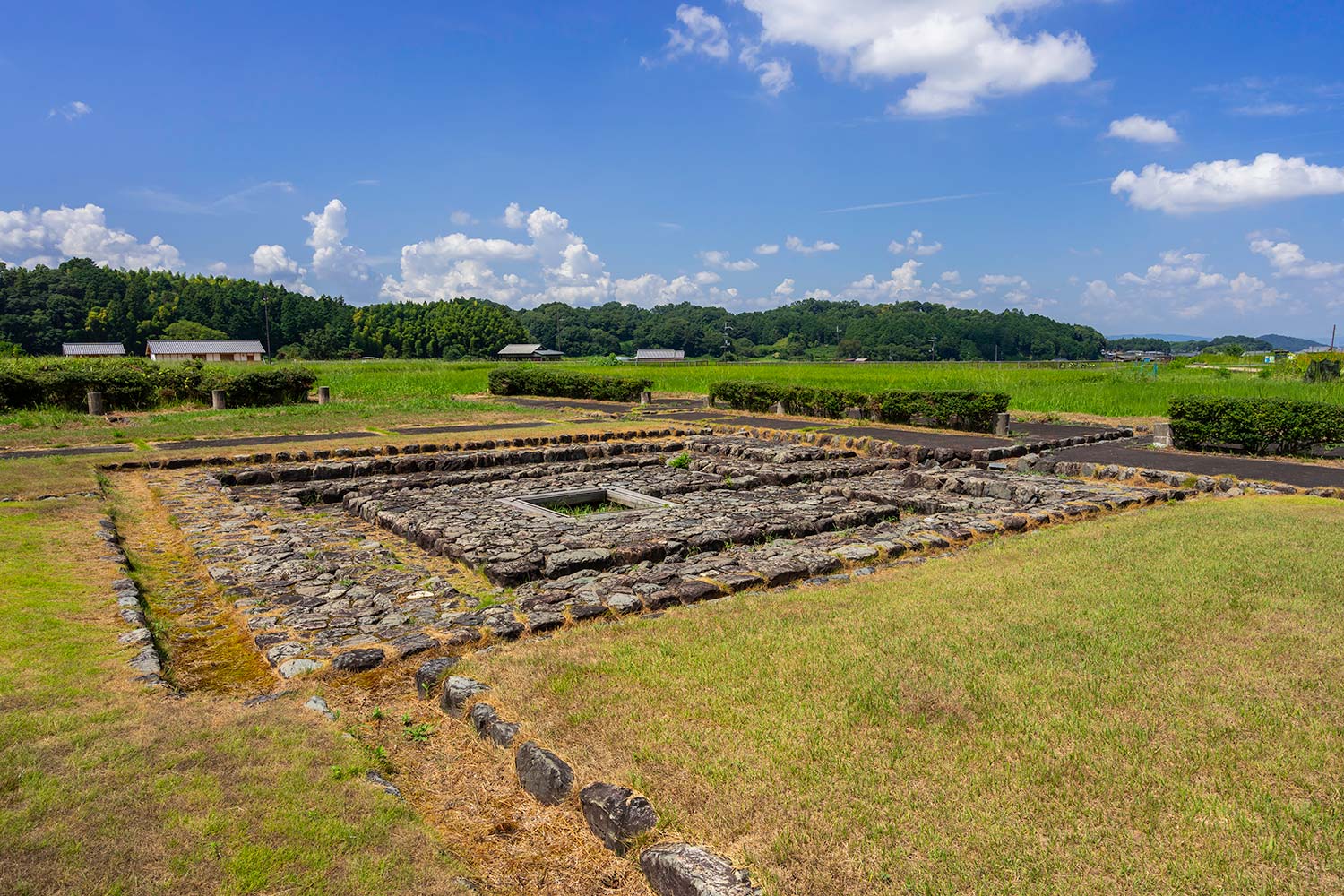
Established 1,300 years ago, Fujiwara-kyo Palace Site was Japan’s first capital modeled after the grand grid-plan cities of ancient China.

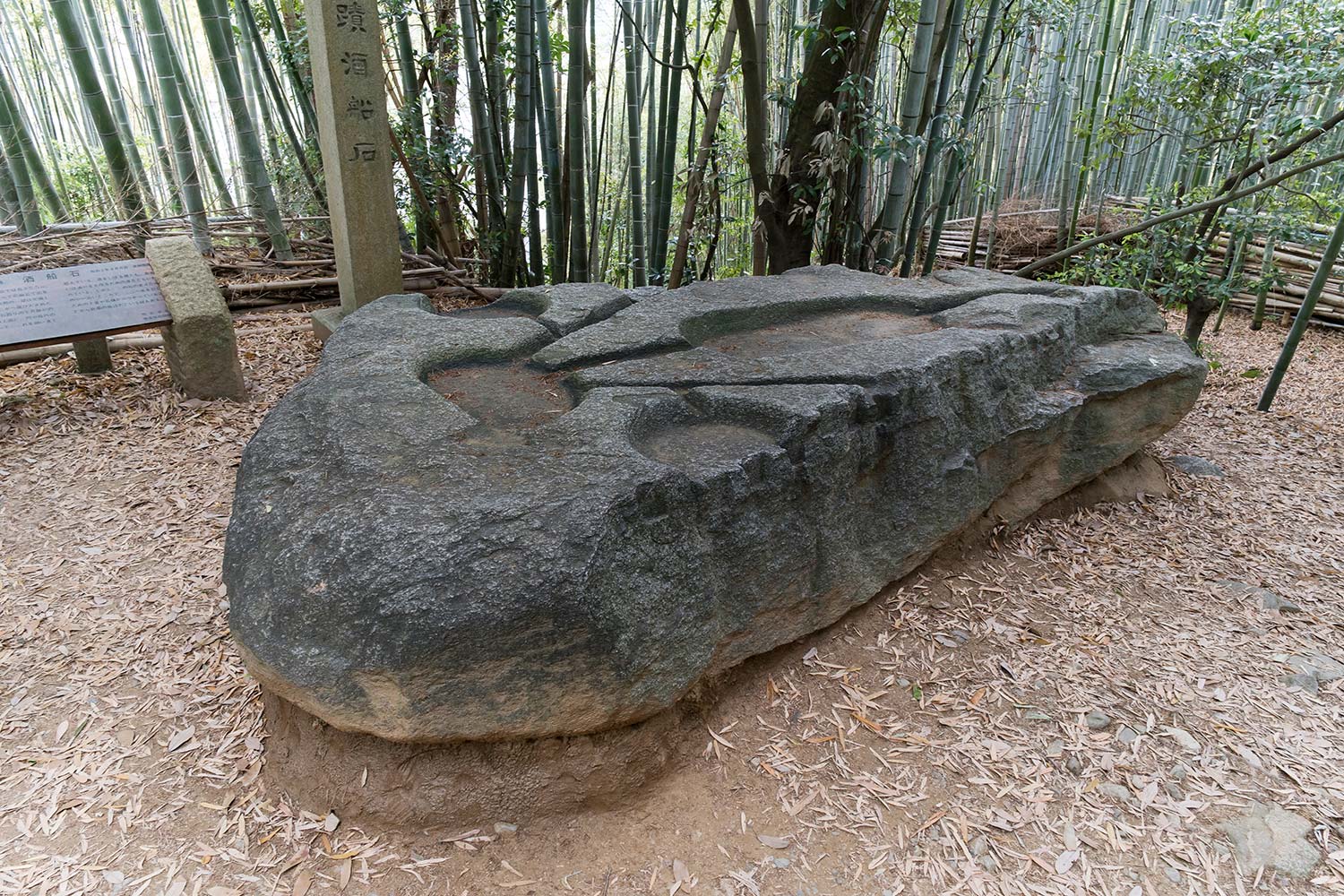
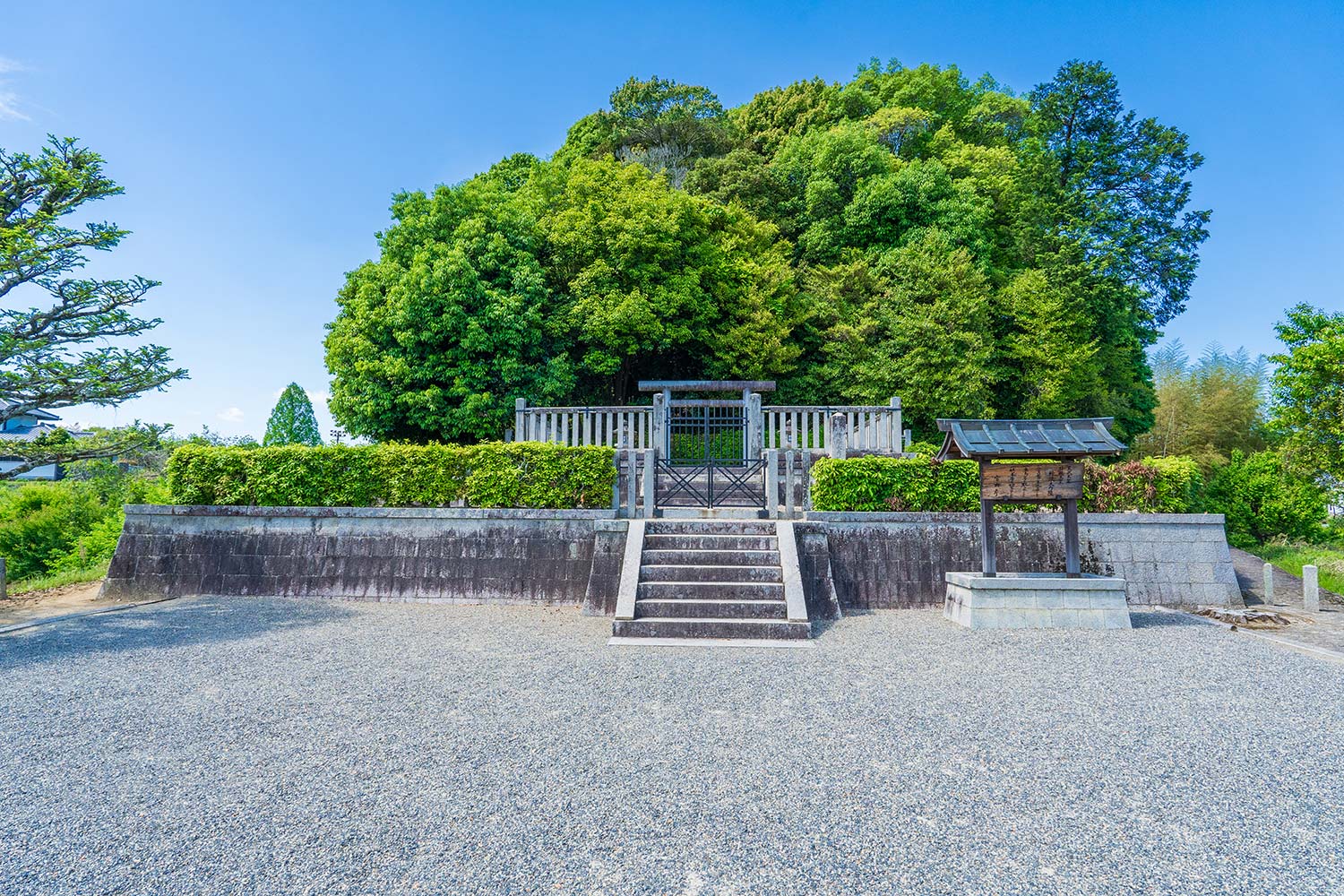
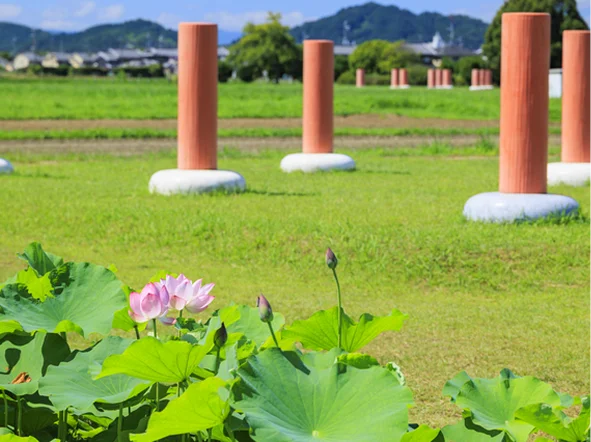
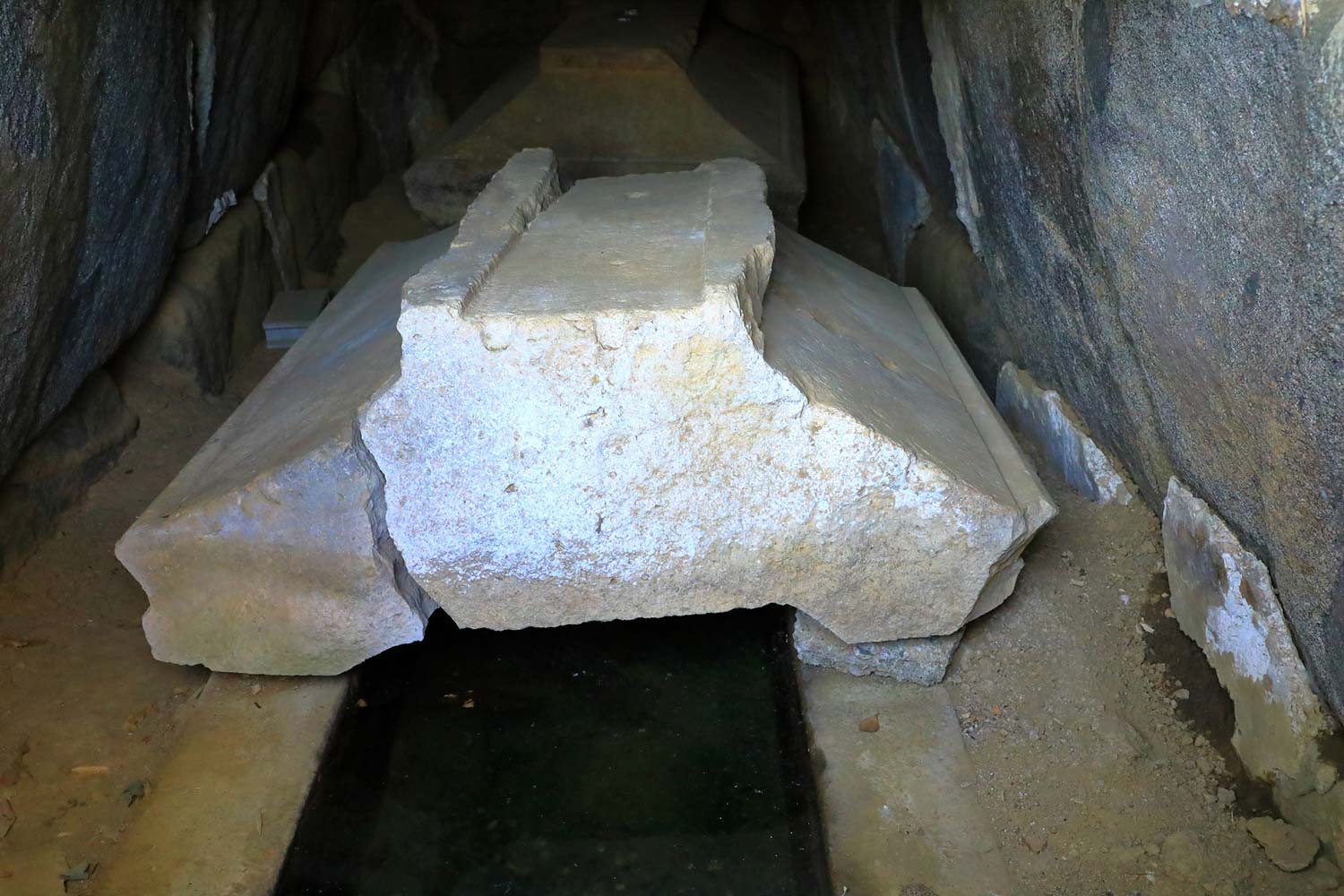
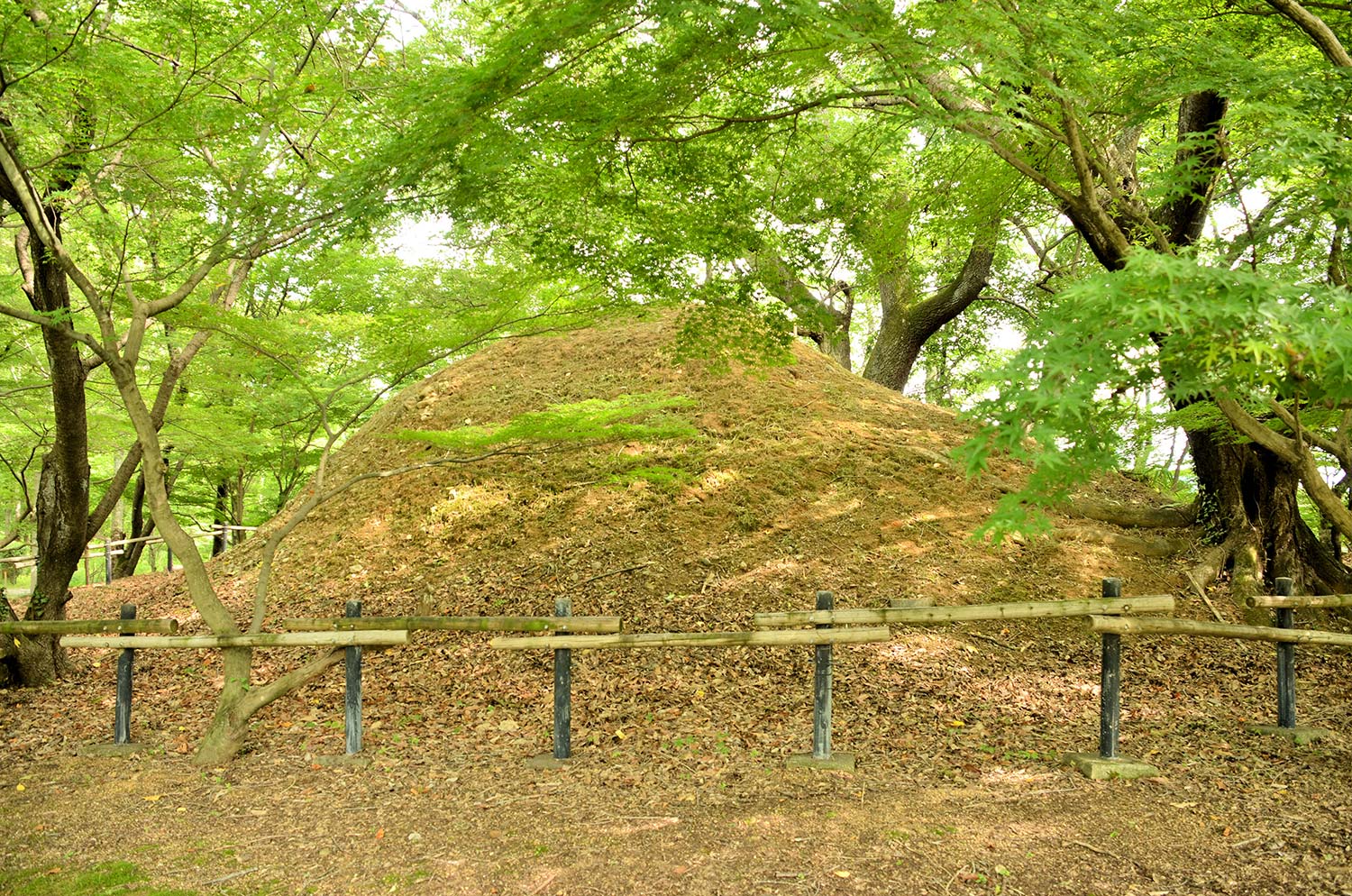
This historical exploration route leads you through the heart of the empire: from the expansive Fujiwarakyo Palace Site to Daikandai-ji Temple Site, once the premier state temple, and Moto Yakushi-ji Temple Site, where Emperor Tenmu offered profound prayers for his wife’s recovery. The journey also unveils the Shobuike Tumulus, home to an elegant stone sarcophagus.

Set against the elegant ridges of the Three Mountains of Yamato (Yamato Sanzan), this route offers a unique opportunity to immerse yourself in the very "beginning" of Japan as a unified nation.

Suggested Routes
Kintetsu Yamato-Yagi Station → Fujiwara Palace Site → Daikandai-ji Temple Site → Moto-Yakushi-ji Temple Site → Shobuike Tumulus → Kintetsu Kashihara-jingu-mae Station
Duration
Approx. 3 hours
世界遺産 世界遺産 世界遺産

Story.22.Yamato Sanzan Walking Tour

Yamato Sanzan Walking Tour~ The Manyo Triangle Walk: Immerse Your Senses in Japan’s Timeless Heritage ~

This walking tour takes you to the summits of the celebrated Three Mountains of Yamato—immortalized in the Manyoshu poetry anthology—before concluding at the sacred Kashihara Jingu Shrine, the birthplace of the Japanese nation.

As you walk, you will relive the poetic world of Prince Naka-no-Oe, retracing the very landscapes that inspired his famous verses of longing and rivalry among the three peaks.

With breathtaking panoramas, pristine mountain air, and a profound connection to the depths of history, this journey offers a holistic experience that nourishes both mind and body.

Suggested Routes
Kintetsu Yamato-Yagi Station → Mt. Miminashi → Mt. Ama-no-kagu → Mt. Unebi → Kashihara Jingu Shrine → Kintetsu Kashihara-jingu-mae Station
Duration
Approx. 6 hours
open close

Nara’s Global Heritage: Other UNESCO World Heritage Sites

Buddhist Monuments in the Horyu-ji Temple Area

Buddhist Monuments in the Horyu-ji Temple Area

The "Buddhist Monuments in the Horyu-ji Temple Area" comprise a collection of historic wooden structures at Horyu-ji and Hokki-ji temples. In 1993, they were honored as Japan’s very first UNESCO World Cultural Heritage sites, alongside Himeji Castle. Horyu-ji Temple is said to have been founded in 607 by Prince Shotoku. Its Western Precinct—featuring the Main Hall, the Five-Storied Pagoda, the Central Gate, and the Cloisters—stands as the oldest surviving wooden architecture in the world, dating back to the late 7th and early 8th centuries. Nearby, the 7th-century Hokki-ji Temple preserves a magnificent three-storied pagoda that still inspires awe today. As masterpieces of early Buddhist architecture introduced from the Asian mainland via the Korean Peninsula, these structures vividly illustrate the birth and evolution of a uniquely Japanese architectural aesthetic.

Historic Monuments of Ancient Nara

Historic Monuments of Ancient Nara

The "Historic Monuments of Ancient Nara" comprise eight distinct assets: Todai-ji Temple, Kofuku-ji Temple, Kasuga Taisha Shrine, Kasugayama Primeval Forest, Gango-ji Temple, Yakushi-ji Temple, Toshodai-ji Temple, and the Heijo Palace Site. The dawn of the Nara Period began in 710 AD with the relocation of the capital to Heijo-kyo. Modeled after the grand Tang Dynasty capital of Chang'an, this city became the epicenter where Japanese culture flourished through vibrant exchanges with mainland China and the Korean Peninsula. At its heart stood the Heijo Palace, surrounded by a magnificent ring of temples and shrines. This World Heritage site encompasses majestic religious architecture, the sacred cultural landscape of the Kasugayama Primeval Forest rooted in Shinto tradition, and the invaluable archaeological remains of the palace. Together, they vividly encapsulate the religious and social life of 8th-century Japan—a pivotal era of profound political and cultural transformation. Most remarkably, these traditions remain a "living heritage," continuing to breathe within the daily lives of the people today.

Sacred Sites and Pilgrimage Routes in the Kii Mountain Range

Sacred Sites and Pilgrimage Routes in the Kii Mountain Range

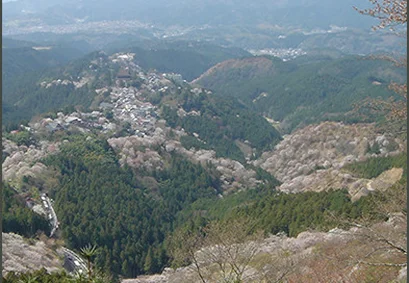
The "Sacred Sites and Pilgrimage Routes in the Kii Mountain Range" is a vast World Heritage site spanning Nara, Mie, and Wakayama Prefectures. It encompasses three sacred areas—Yoshino-Omine, Mt. Kumano Sanzan, and Mt. Koya—and the ancient pilgrimage paths that connect them. Within Nara Prefecture lie the sacred sites of Yoshino-Omine, along with the Omine Okugakudo and Kohechi (Kumano Kodo) routes. The Kii Mountains are defined by deep forests and rugged, soaring peaks that meet the southern sea. This dramatic landscape served as the fertile ground for a unique fusion between indigenous Japanese nature worship and imported Buddhism, fostering diverse forms of faith. At the northernmost tip of this mountain range, the Yoshino-Omine area includes Yoshino-yama, Yoshino Mikumari-jinja Shrine, Kinpu-jinja Shrine, Kinpusen-ji Temple, Yoshimizu-jinja Shrine, and Ominesan-ji Temple. Since the mid-10th century, these hallowed peaks, rising over 1,000 meters, have been revered as Japan’s preeminent sacred ground for Shugendo (mountain asceticism). Recognized as a profound "Cultural Landscape" where nature and human faith are inextricably linked, this living tradition continues to be passed down from antiquity to the present day.